


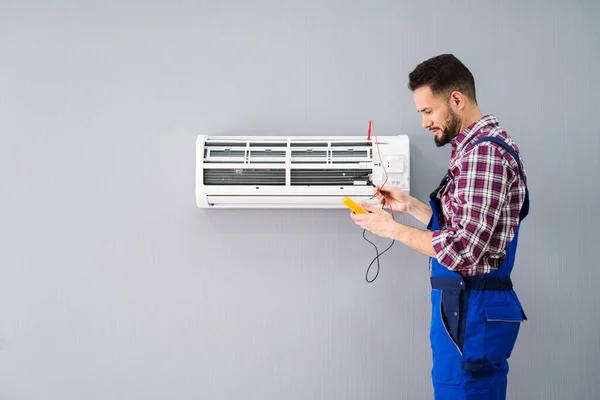
Energy-efficient HVAC systems are essential for maintaining a comfortable indoor environment while minimizing energy consumption and reducing utility costs. Regular maintenance and timely upgrades play a critical role in optimizing the performance of these systems. By focusing on repair and upgrade strategies, homeowners can ensure their HVAC units operate efficiently throughout their lifespan.
One key aspect of maintaining an energy-efficient HVAC system is scheduling routine inspections. Over time, components such as filters, coils, and ducts accumulate dirt or debris that can obstruct airflow and force the system to work harder than necessary. Cleaning or replacing air filters every one to three months not only improves efficiency but also enhances indoor air quality. Additionally, checking for leaks in ductwork is vital since even small gaps can result in significant energy losses. Sealing these leaks with mastic or metal tape ensures that conditioned air reaches its intended destination without unnecessary waste.
Upgrading outdated components is another effective way to enhance efficiency. For instance, if your thermostat is manual or non-programmable, consider switching to a smart thermostat. These devices allow precise temperature control based on occupancy patterns, preventing excessive heating or cooling when no one is home. Similarly, replacing aging equipment with high-efficiency models certified by ENERGY STAR can lead to substantial long-term savings on utility bills while reducing environmental impact.
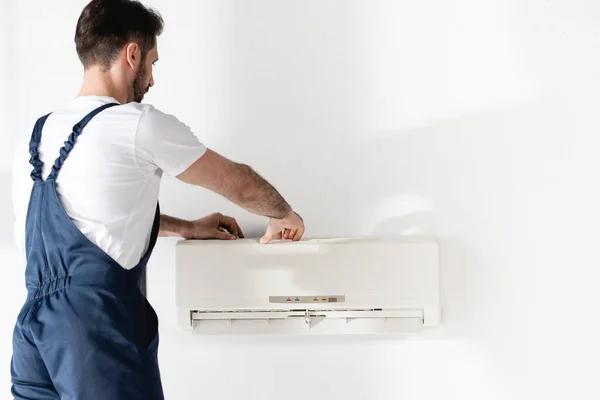
When repairs are needed, addressing them promptly prevents minor issues from escalating into costly breakdowns. Strange noises, inconsistent temperatures across rooms, or spikes in energy bills often signal underlying problems that require professional attention. Hiring qualified technicians ensures accurate diagnoses and effective repairs while preserving the warranty coverage of your unit.
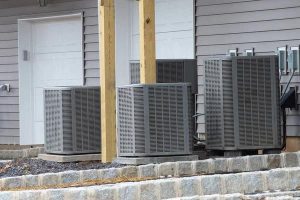
In some cases where repairs become frequent or expensive due to an aging system nearing the end of its lifespan—typically 10–15 years—it may be get more comprehensive information cost-effective to invest in a complete replacement rather than continuing with piecemeal fixes. Modern HVAC systems incorporate advanced technologies like variable-speed motors and zoned heating/cooling capabilities that significantly outperform older designs in terms of both efficiency and comfort.
To maximize the benefits of an energy-efficient HVAC system over time, it’s crucial for homeowners to adopt proactive maintenance habits alongside strategic upgrades when necessary. By doing so, they not only reduce operational costs but also contribute positively toward sustainability efforts by lowering their household’s carbon footprint consistently year after year.